

 Polski
Egg Cartel and Troublesome Mites: What Shook the Poultry Industry This Week
This week in the world of poultry farming and egg production shows two sides of the same coin: on one hand, regulators are watching ever more closely how major egg producers set the rules of the game among themselves; on the other, farmers themselves have to deal with the consequences of changes they introduced - namely, the shift to cage-free systems. We take a look at what happened in recent days and why it should matter to anyone involved in egg production, poultry farming, or supplying feed and technology to this sector.
01 · Law and Competition
Australian Regulator vs. Egg Producers: Cartel Collusion Allegations
Australia's antitrust watchdog, the ACCC, has filed a civil lawsuit in the Federal Court against Sunny Queen - the country's largest egg supplier - and 11 other companies in the industry [1]. The allegations are serious: the regulator claims that since 2020, the companies have been coordinating production volumes, distribution methods, and expansion plans with one another, instead of competing for customers under normal market conditions. On top of that, there was a joint purchase of property in Queensland which, according to the ACCC, was intended to block a competitor from entering the market - something the regulator treats as further evidence of collusion.
The case involves a product that's hard to call niche - Australians buy more than 250 eggs per person a year on average, which means any irregularities in pricing or availability hit consumers' wallets directly. It's a rare case where a regulator decides to formally charge as many as 12 entities at once, rather than a single company. If the allegations hold up, the case could become a reference point in the global debate over egg market concentration and the limits of acceptable cooperation between producers who, instead of competing, start jointly managing supply.

02 · Animal Welfare
Free Range, Bigger Problem: Parasites Are Hitting Cage-Free Farms
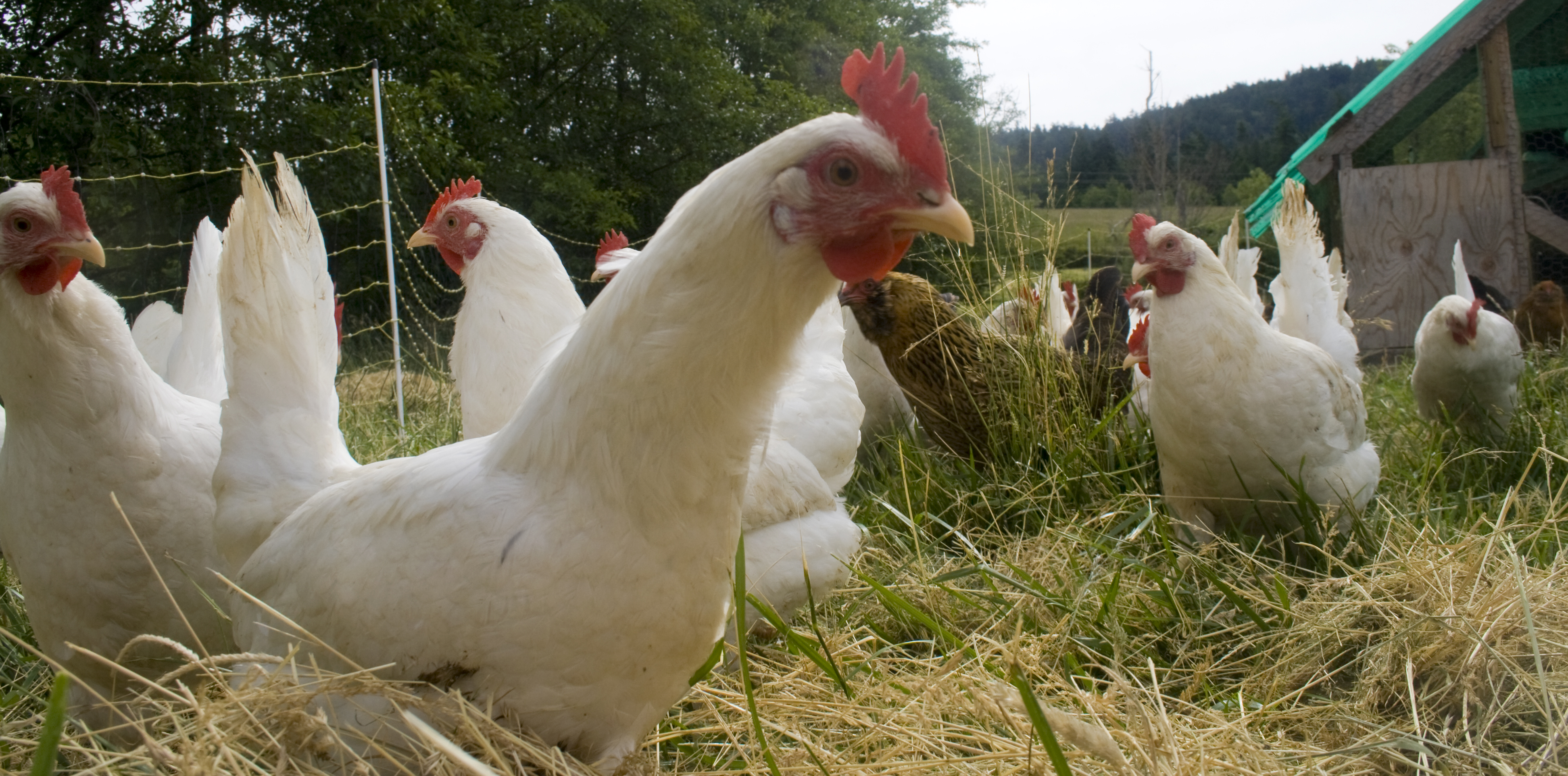
US trade media approached the topic from a completely different angle, describing a phenomenon that's increasingly being felt on farms transitioning to cage-free and free-range systems [2]. Open systems, while beneficial from an animal welfare standpoint, come at a cost - they increase laying hens' exposure to mites (including northern fowl mites), lice, and bedbugs, parasites that were easier to keep in check in closed cage systems.
Northern fowl mites remain the main parasitic problem regardless of the housing system, but on cage-free farms the situation is made worse by greater contact with wild birds, which effectively spread parasites between flocks and farms. The scale of the losses isn't trivial - we're talking about 7-10 cents in losses per hen over just 10 weeks, which adds up to real, measurable sums across large flocks. This is a genuine cost of the welfare transition, one that's often overlooked in discussions focused purely on ethics and consumer expectations. For producers considering - or already carrying out - the switch to cage-free systems, it's a signal that investment in welfare has to go hand in hand with investment in effective monitoring and control of external parasites, not stop at simply changing the type of housing or range.
03
Two Signals, One Conclusion
Both of these stories, though they touch on completely different aspects of the industry - competition law and flock health management - share one thing in common: the egg and poultry market is becoming increasingly complex, both operationally and in regulatory terms. Producers have to keep an eye on antitrust compliance, as in the Australian lawsuit, while also dealing with the practical consequences of changes to housing systems, as with parasites on cage-free farms. This is a good moment to exchange experiences with other farmers and experts, rather than looking for solutions alone and learning only from your own mistakes.
These are exactly the kinds of challenges - legal, technological, and welfare-related - that we'll be discussing at Poultry Tech - Branżowe Targi Hodowli Drobiu i Produkcji Jaj. We invite egg producers, poultry farmers, animal nutrition and veterinary specialists, as well as agritech suppliers, to join the discussion on how to grow this industry responsibly and effectively. See you at the trade show!
Invitation
Price-fixing, the costs of animal welfare, mites, and new flock health monitoring technologies - these are the issues that shape farm profitability every day. Come to the Poultry Tech trade show to talk with experts, industry lawyers, and agritech suppliers about how to build an egg and poultry business that's resilient to these challenges. We look forward to seeing you there!
Poultry Tech 2026Footnotes
[1] ABC News — https://www.abc.net.au/news/2026-10-13/accc-consumer-watchdog-court-egg-cartel-sunny-queen/107260004[2] WattAgNet — https://wattagnet.com/egg/cage-free-laying-systems/news/15837221/cagefree-layer-houses-face-wider-ectoparasite-threat
This review was prepared by the Ptak Warsaw Expo editorial team.